
Practically every golfer in existence wants more distance on the golf course. This can be facilitated by strength, swing efficiency and club technology, but it can also be facilitated by the golf ball.
Typical distance golf balls are designed to fly long and straight, particularly with the driver, through various means including low-spin ionomer covers and special dimple patterns meant to minimize drag and maximize lift.
Distance golf balls tend to be most desired by higher handicappers since they are most likely to have slow swing speeds and need help getting the ball airborne, although any golfer can benefit from a distance ball.
The sheer number of options on the market can make the process of choosing the best distance golf ball for you difficult and overwhelming. Fortunately, you’ve come to the right place.
In this guide, we’ll review and compare our picks for the best golf balls for distance across a range of different brands.
Note: Golfstead has tested and/or conducted in-depth research into all of the products featured in this guide. Our editorial process for these rankings takes into account a mix of many factors which may include performance, reliability, usability, value for money, cost, and the general consensus from other users of the product. The list that follows may be reassessed or updated over time.
Our Top Picks For Distance Golf Balls
Based on our own testing, research, and experience, here are our top selections:
- TaylorMade Distance+ Golf Ball
- Callaway Warbird Distance+ Golf Ball
- Vice Drive Golf Ball
- Nitro Ultimate Distance Golf Ball
- Bridgestone e6 SOFT Golf Ball
- Srixon Z-STAR XV 9 Golf Ball
- Titleist Velocity Golf Ball
Note: Prices for the items listed on this page are subject to change. To see the current price, please click on the relevant links below.
1. TaylorMade Distance+ Golf Ball

The TaylorMade Distance+ is undoubtedly one of the most popular and successful distance balls on the market.
This ball is all about speed. It’s suitable for a wide range of golfers including high, mid, and low handicappers, and its soft REACT Speed Core is engineered for easy compression by slower swing speed golfers (despite a medium compression rating of 77).
The two-piece construction consists of the REACT core and a soft ionomer cover. This cover keeps spin down and has enhanced durability with resistance to scuffing and shearing.
Other features of the Distance+ are:
- a new Extended Flight 322 Dimple Pattern that is designed to minimize drag and keep the ball in the air for maximum carry
- a new Plus Alignment Aid that helps you line up putts and aim off of the tee while squaring the clubface
This ball delivers tons of distance on all shots, yet it still provides a good amount of spin and control around the greens. We love how it provides a similar level of performance to high-end balls at a much lower cost.
2. Callaway Warbird Distance+ Golf Ball

The Warbird Distance+ by Callaway is engineered for maximum speed through the bag, along with high launch, great feel and control around the greens.
This ball has a pretty high compression rating, but the large, high-energy core is very compressible, making it viable for a wide range of swing speeds.
Rounding out the two-piece construction is an optimized ionomer cover which, together with the core, helps enhance feel and control with short irons, wedges and the putter.
The Warbird ball also features Callaway’s proprietary HEX Aerodynamics which reduce drag and increase lift for more carry, distance, and stopping power into greens.
Golfers find the Warbird Distance+ to provide rock solid performance comparable to much more expensive balls: long and straight off the tee, fairly soft feel, and great short game performance.
3. Vice Drive Golf Ball

The Drive is Vice’s most accessible distance ball. It’s not just suitable for beginners and high handicappers, but also golfers of any swing speed who are seeking distance and soft feel.
The Vice Drive is designed for maximum distance with low spin and high launch angles. It made the Golf Digest Hot List, and it was also featured in the golf.com performance golf ball recommendation list. It benefits from high critic and consumer reviews.
This ball has a mid-high compression rating of 95. Its simple two-piece construction consists of:
- a soft Energy Speed Core (ESC) that reduces driver spin and increases ball speeds for low-to-mid swing speeds
- a Surlyn cover that is extremely durable and cut-resistant
The Vice Drive also has:
- a 312 dimple pattern which stabilizes the trajectory and minimizes air resistance
- a tapered alignment aid for lining up puts and aiming off the tee
The 2024 iteration of the Vice Drive has undergone significant changes from the previous model, namely a much higher compression, slightly harder cover, and increased durability. This makes it more viable for a wider range of swing speeds.
The Vice Drive is a great ball at a fantastic price point, but the feel is firmer than the previous generation model which some slower swingers might not like.
4. Nitro Ultimate Distance Golf Ball

The Nitro Ultimate Distance is an impressively popular golf ball built with distance in mind. It tends to attract high-handicappers, recreational golfers, and beginners who routinely lose balls on the course and need something that’s affordable but also performs well.
This ball has a two-piece construction consisting of:
- a highly reactive titanium core for maximum energy transfer and ball speeds off metal woods
- a Lithium Surlyn cover for durability and spin control
A symmetrical, aerodynamic dimple pattern reduces drag and increases lift for more carry and distance.
In our experience, this ball delivers great distance off the tee and a solid amount of spin with short irons and wedges.
The feel is on the firm side and the cover gets dinged up pretty easily, but the value for money is excellent. The ball is available in white, yellow and orange.
5. Bridgestone e6 SOFT Golf Ball

The e6 has historically been Bridgestone’s best-selling golf ball and is the longest-running golf ball model they offer.
True to its name, the e6 SOFT is a soft, affordable distance ball. The latest model has optimized its soft feel even further and is designed for even more distance along with a pleasant sound.
Engineered to be easy to compress and produce maximum distance on all shots, the e6 SOFT has a two-piece construction consisting of:
- a reformulated gradational compression core, firmer on the outside and softer on the inside, that compresses quicker for added distance
- a Surlyn cover with seamless cover technology that optimizes feel and spin
- a dimple pattern that promotes a high trajectory with maximum carry
In addition, the e6 SOFT ball is printed with a special MindSet graphic that is designed to help you identify your target, visualize your shot path, and focus on the green dot while you take your swing.
The 2025 model is currently available in white and optic yellow. The e6 is generally a very popular best-seller, and the consensus is that it delivers excellent distance and tee-to-green performance for the price.
6. Srixon Z-STAR XV 9 Golf Ball

We understand that there are many golfers out there with fast swing speeds who want a higher compression distance ball. Enter the Z-STAR XV by Srixon, a quality golf ball manufacturer that has been around for decades.
The XV, which made the 2025 Golf Digest Hot List for golf balls, is the speed-focused model of the Z-STAR line and enjoys very high ratings from golfers.
The ball is designed for maximum distance off the tee with low spin and a mid-high launch, progressively softer feel as you move to the short irons, and good greenside control, although iron and wedge spin is not quite as strong as the standard and Diamond models.
The compression rating of this ball is 102, so a swing speed of around 100 mph is recommended to use it.
The Z-STAR XV has a three-piece construction that consists of:
- a reformulated FastLayer DG Core 2.0 that transitions sharply from soft in the center to firm on the outside, leading to more iron spin while maintaining ball speed in the long game
- an extra-thin, thermoplastic urethane cover for Tour-level stopping power around the greens. The latest iteration incorporates Biomass, which is a durable plant-based material that produces less carbon emissions during manufacturing.
- a durable Spin Skin+ coating which digs deep into grooves to increase friction and further increase spin with wedges. The latest iteration uses a slightly stronger urethane paint that better resists dirt and grime.
In addition, a 338 Speed Dimple pattern promotes a penetrating launch and increases lift for maximum carry distance.
The Z-STAR XV is a premium golf ball that many find to be comparable performance-wise to the Titleist Pro V1x while being more durable and a bit more affordable.
7. Titleist Velocity Golf Ball

The Velocity is one of Titleist’s best distance balls. It’s engineered to deliver maximum ball speed, high launch and low spin, which is a recipe for monstrous distance.
This ball has a nice mid-range compression rating of 65. Its two-piece construction consists of:
- a high-speed LSX core that produces faster speed with the longer clubs
- a proprietary NaZ+ cover that reduces spin but also enables greenside playability
The Velocity ball has a 350 octahedral dimple pattern that is spherically tiled. This design helps promote a high and consistent trajectory.
The 2024 Velocity ball is available in white, matte green, and matte orange colours. Golfers can vouch for the big distance of the Velocity, and the firm feel and control are also praised.
Having said this, the distance, low spin and firmness also cause it to suffer a little around the greens. We also can’t tell the difference between the new 2024 model and the 2022 model, so it may be worth grabbing some of the 2022 balls at a reduced price if you can find them.
Buying Guide
There are many distance golf balls on the market, and knowing which one to choose isn’t necessarily easy, especially if you’re not sure what to look for. This guide will provide you with the education you need in that regard.
In general, a distance ball should produce a low-spin, high-launch flight off the tee but still offer enough feel and control to be playable around the greens.
If you want to find the right golf ball for distance, here are the most important factors to consider:
1. Compression
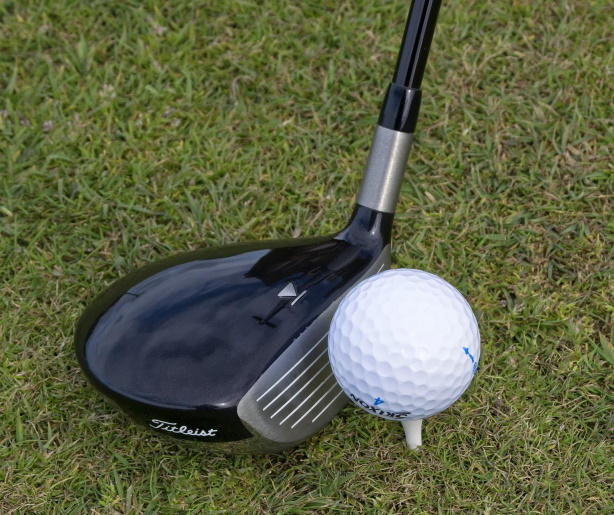
The ability of a golf ball to compress is very important. This is quantified in something called the compression rating, and it usually ranges from around 30 to 120.
The lower the compression rating, the less club head speed is required to sufficiently compress the ball to produce a “rebound” affect that leads to more distance. Conversely, a high compression rating will require a higher club head speed to achieve sufficient compression of the ball.
If a ball has too high of a compression rating for your swing speed, your distance will suffer greatly. On the other hand, if a ball has too low of a compression rating for your swing speed, you can actually lose distance and experience an erratic ball flight.
A general rule of thumb is that a golfer should have a swing speed as close as possible to X mph to hit a ball with a compression rating of X. But this is often not accurate. For example, a ball might have a fairly low compression rating of 60 but be designed for higher swing speeds of around 100 mph.
Factors such as temperature can also affect the compressibility of a ball. Heat will tend to make a ball more compressible, while cold will make a ball less compressible.
Many distance balls have low compression ratings, allowing golfers with slow swing speeds to maximize energy transfer and ball speeds. But some distance balls like the Srixon Z-Star XV have high compression ratings that only golfers with high swing speeds (such as professionals) can take advantage of.
2. Cover
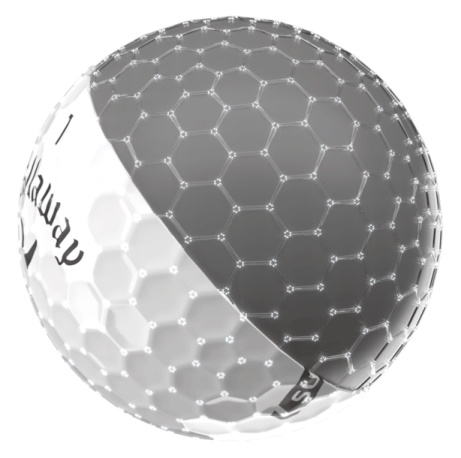
The cover material of a golf ball can have a significant impact on its performance. There are two main types of covers: Surlyn and urethane. Some people might consider ionomer, which includes Surlyn, as another type.
Generally, golf balls with ionomer or Surlyn covers are more durable, spin less, and fly a little farther. They also tend to be cheaper.
Golf balls with urethane covers generally spin more, provide a softer, more premium feel, and offer greater control and spin with the shorter irons.
Although this is the generalization, recent advancements in technology have helped urethane covers gain nearly all of the benefits of Surlyn covers. Today, the main drawback of urethane is a higher price and possibly less distance off the tee for slower swingers.
The vast majority of distance balls on the market have ionomer or Surlyn covers because of the reasons mentioned above. These durable covers create the conditions for less-skilled players to increase their distance considerably.
3. Colours
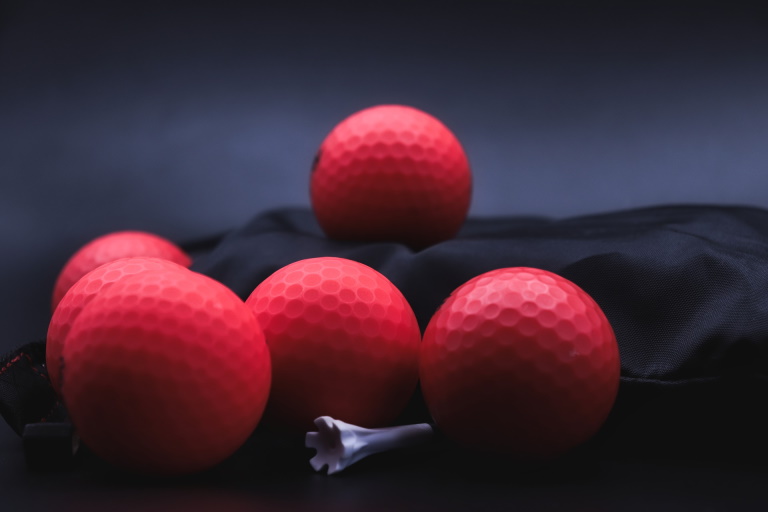
Something many people might not think about is the colour (and finish) of the golf ball. A lot of golfers will automatically reach for the white ball, but as it turns out, that’s not necessarily the best option.
High-visibility golf balls are exactly the same as the standard white ball but come in a variety of colours including green, yellow, and orange. They may also have a matte instead of a glossy finish to reduce glare from sunlight.
Beyond providing an aesthetic flare that might suit your personality, the main purpose of coloured golf balls is to make it easier to not only keep track of the ball while it’s in the air, but also to spot the ball wherever it rests on the course.
In our experience, orange balls work very well for sunny, cloudless conditions during daytime, yellow balls work well in lower-light conditions, and green balls work well in overcast conditions.
It’s definitely worth checking if whichever model of golf ball you’re interested in is also available in high-visibility colours.
It’s certainly fine to just play a white ball if you want, but coloured balls can make your life a little easier, particularly if you have vision problems or you tend to hit it all over the place. Coloured balls can also hold your attention more at address and help you swing at the ball with more confidence, potentially resulting in more distance.
4. Dimples
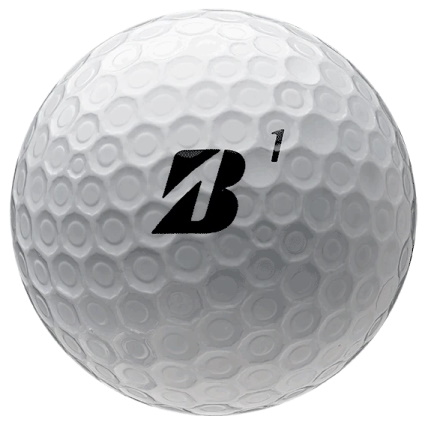
We definitely don’t recommend choosing a golf ball based on its dimples alone, but it’s worth knowing what their purpose is.
Most modern golf balls have between 300 and 400 dimples. Although golf ball manufacturers have their own ways of dimpling their balls, the goal is the same: to reduce drag and increase lift resulting in more distance.
Dimples are essential in order to get the aerodynamic performance expected from golf balls today, as opposed to smooth balls.
Beyond the number, dimples can also have difference shapes (such as spherical or hexagonal) and be arranged in different patterns.
It’s difficult if not impossible for the average golfer to predict the ultimate effect of a specific dimple configuration, so your best bet is to look at what the brand says about the dimples of a particular golf ball and consider if it matches the needs of your own game.
5. Price
Of course, price is very important when shopping for a golf ball. Many people dislike spending $50 or more for a dozen balls, and that’s completely understandable.
Fortunately, distance balls are often priced very affordably (under $25 per dozen) because they tend to have a simple two-piece construction. There are exceptions, however.
In this guide, we’ve tried to include quality distance balls over a range of budgets that golfers might have. But don’t forget that instead of buying new, you could save even more money by buying recycled balls on places like eBay. We recommend only looking at balls with condition ratings of AAA or above.
Conclusion
The game of golf is evolving to become longer with each passing year. Golfers are getting stronger and more efficient, club manufacturers are developing new innovations to maximize speed, and golf courses are needing to be lengthened in response.
The golf ball is also at the forefront of this distance evolution. In fact, there’s barely a modern golf ball out there that doesn’t have distance in mind.
There are golf balls that are designed to fly as long and straight as possible, with greenside spin and feel being secondary. These distance balls will help any golfer reach the green in fewer strokes and potentially shoot lower scores.
Finding a distance ball that suits your game is actually pretty easy with a bit of knowledge and experimentation. We suggest trying several of the balls featured on this page and seeing which one performs best for you.
Each of the golf ball models listed above deliver exceptional performance for the cost. We’ve given you the information you need; now it’s up to you to go the rest of the way.
It’s also very beneficial to read customer reviews to acquire some useful insights as to how golf balls actually perform. This will help you a great deal in the decision-making process.
Thanks for reading this guide. Which distance golf ball are you interested in? Do you have any questions? Feel free to leave a comment down below.
The post 7 Best Golf Balls For Distance – 2026 Reviews & Buying Guide appeared first on Golfstead.
Learn More About Golf
If you want to learn more about golf, check out these other helpful resources!
- 7 Best Golf Balls For Women – 2026 Reviews & Buying Guide
- How To Hit A Sand Wedge – What To Keep In Mind

- Nike RZN Platinum Golf Ball Review – Tour Performance
- 10 Best Portable Golf Launch Monitors – 2026 Reviews & Buying Guide
- 5 Best Electric Golf Scooters – 2026 Reviews & Buying Guide
- PING i530 Irons Review – Distance Generator

Popular Buying Guides